Sunscreens That Actually Protect Your Skin All Day Long
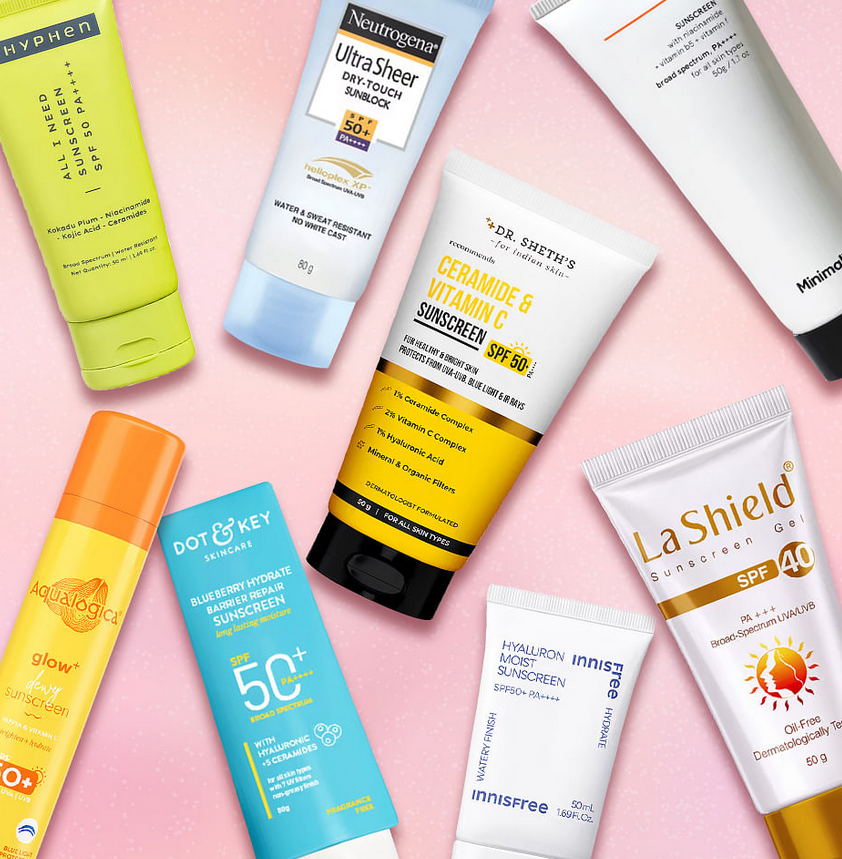
The modern world has made sun exposure an inevitable part of daily existence. Whether one is commuting to work, taking a brisk midday walk, or merely sitting beside a window, ultraviolet (UV) radiation remains relentless. Dermatological science has long confirmed the correlation between chronic UV exposure and premature skin aging, hyperpigmentation, and even skin malignancies. Yet, despite widespread awareness, many individuals underestimate the importance of choosing the right sunscreen—especially one designed for enduring protection.
In the vast cosmetic and pharmaceutical marketplace, formulations abound, each boasting superior protection. However, only a few sunscreens can genuinely deliver consistent efficacy across hours of exposure without frequent reapplication. This article explores the characteristics of sunscreens that actually shield your skin all day long, while examining why Sunscreen for Face requires special consideration.
The Science Behind Sunscreen Efficacy
The cornerstone of any protective sunscreen lies in its ability to absorb, reflect, or scatter harmful UV rays. Broadly, ultraviolet radiation is divided into:
-
UVA (320–400 nm): Penetrates deeper into the dermis, primarily responsible for photoaging and oxidative stress.
-
UVB (280–320 nm): Impacts the epidermis, causing sunburns and contributing directly to DNA damage.
-
UVC (100–280 nm): Mostly filtered by the ozone layer but potentially hazardous in specific industrial environments.
A sunscreen’s efficacy is quantified through its SPF (Sun Protection Factor), which measures UVB protection, and the PA rating (or equivalent descriptors), which indicates UVA defense. While these numerical ratings guide consumers, real-world performance hinges on formulation stability, resistance to degradation, and adherence to the skin’s surface.
Why Daily Sunscreen Application Is Non-Negotiable
Contrary to popular belief, sunscreen should not be reserved solely for beach days or outdoor excursions. Even ambient sunlight exposure contributes cumulatively to skin deterioration. Studies have indicated that incidental UV exposure—like walking to the store or sitting near a window—accounts for a large percentage of photoaging over time.
This is why dermatologists emphasize the consistent, daily use of Sunscreen for Face. The facial area is perpetually exposed and particularly vulnerable to long-term sun damage, which manifests as wrinkles, uneven pigmentation, and increased risk of carcinomas.
The Problem with Most Sunscreens
The majority of commercial sunscreens are effective for only 2–3 hours post-application, primarily because:
-
Photodegradation: UV filters such as avobenzone can break down upon sun exposure, diminishing efficacy.
-
Sweat and Water Exposure: Perspiration, humidity, or swimming reduce product adherence to the skin.
-
Physical Friction: Touching, wiping, or clothing contact removes sunscreen from the skin’s surface.
Thus, although packaging may promise high SPF numbers, real-world performance often falters without diligent reapplication. The challenge lies in developing products that maintain their potency despite environmental and physical stressors.
Key Ingredients for Long-Lasting Sunscreen Protection
A sunscreen that can truly protect the skin all day incorporates stable and synergistic ingredients:
-
Zinc Oxide and Titanium Dioxide: Mineral-based filters that reflect and scatter UV rays. Highly photostable and less prone to breakdown.
-
Encapsulated Avobenzone: An advanced formulation of avobenzone that resists degradation when combined with stabilizers.
-
Mexoryl SX and Mexoryl XL: Patented ingredients known for their remarkable stability under prolonged UV exposure.
-
Tinosorb S and Tinosorb M: Broad-spectrum filters that are exceptionally resistant to photodegradation.
-
Antioxidant Infusion: Vitamins C, E, and ferulic acid neutralize free radicals, enhancing sunscreen performance.
These compounds form the backbone of sunscreens that truly protect beyond the average few hours.
Sunscreen for Face: Why It Deserves Its Own Category
When discussing sunscreens that endure, Sunscreen for Face deserves unique emphasis. The facial skin is thinner, more sensitive, and more exposed than other areas of the body. Moreover, aesthetic considerations—such as greasiness, pilling, or a white cast—often deter people from consistent usage.
An effective Sunscreen for Face should:
-
Provide broad-spectrum coverage. Protection against both UVA and UVB rays is essential.
-
Be cosmetically elegant. Lightweight textures that absorb quickly and do not interfere with makeup are vital.
-
Offer skin-type compatibility. Formulas should accommodate oily, dry, acne-prone, or sensitive skin.
-
Maintain photostability. Ingredients must resist breakdown under sunlight.
-
Include skin-benefiting extras. Hydrators like hyaluronic acid or soothing agents such as niacinamide enhance daily wearability.
The modern consumer seeks a sunscreen that integrates seamlessly into skincare regimens without discomfort or cosmetic drawbacks.
The All-Day Protection Debate
While true 24-hour sunscreens remain aspirational, several products approach “all-day” coverage under normal conditions. Advances in encapsulation technology and polymer-based film formers have significantly extended sunscreen longevity.
Clinical research demonstrates that sunscreens incorporating polymers can form a mesh-like barrier on the skin, locking UV filters in place. These innovative systems resist sweat, sebum, and friction, thereby sustaining protection for extended periods.
Nevertheless, dermatologists continue to recommend cautious reapplication every 2–4 hours during prolonged outdoor exposure. Yet for office workers or those with minimal direct sun contact, all-day sunscreens can provide reliable coverage without interruption.
Understanding SPF and PA Ratings in Real-World Terms
Consumers often misinterpret SPF and PA numbers. For example:
-
SPF 30 does not mean “30 times more protection” but rather that it theoretically allows 1/30th of UVB rays to reach the skin.
-
SPF 50+ offers only marginally greater protection than SPF 30, yet ensures longer-lasting defense in practical settings.
-
PA ratings (from PA+ to PA++++ in Asian formulations) indicate UVA shielding, crucial for preventing wrinkles and pigmentation.
For a robust Sunscreen for Face, dermatologists often recommend SPF 30 or higher with broad UVA protection, ensuring both anti-aging and anti-cancer benefits.
The Role of Texture and Finish
A major barrier to sunscreen compliance is cosmetic feel. Many reject formulations that leave a sticky residue, greasy shine, or visible cast. All-day sunscreens circumvent this through advanced emulsification technologies, such as:
-
Gel-based formulations that absorb swiftly without heaviness.
-
Hybrid sunscreens blending mineral and chemical filters for optimal balance.
-
Tinted sunscreens that offset white cast while doubling as light foundation.
Particularly for Sunscreen for Face, elegance in texture often dictates whether users apply it consistently.
Sunscreens and Skin Health Beyond UV Protection
Today’s cutting-edge sunscreens extend their benefits beyond UV shielding:
-
Blue Light Protection: Filters and antioxidants combat damage from high-energy visible (HEV) light emitted by digital screens.
-
Infrared Defense: Some sunscreens incorporate compounds targeting oxidative stress from infrared radiation.
-
Pollution Neutralization: Anti-pollution complexes help resist environmental aggressors that exacerbate skin aging.
This multifaceted approach transforms sunscreens from mere UV filters into holistic skin guardians.
Sunscreen Myths That Undermine Protection
Despite decades of dermatological education, myths persist:
-
“Dark skin doesn’t need sunscreen.” Melanin offers partial protection but does not eliminate risks of sun damage or skin cancer.
-
“Cloudy days make sunscreen unnecessary.” Up to 80% of UV rays penetrate cloud cover.
-
“Indoor workers are safe.” Windows and artificial lighting still allow UVA exposure.
-
“One morning application is enough.” Most conventional sunscreens degrade after a few hours.
Dispelling these misconceptions is critical to promoting consistent sunscreen use.
The Future of All-Day Sunscreens
Innovation continues to redefine possibilities in sun protection. The next decade may see:
-
DNA Repair Enzymes: Topical formulations that actively correct UV-induced DNA damage.
-
Smart Sunscreens: Products that adjust their level of protection in response to UV intensity.
-
Long-Wear Sunscreen Capsules: Oral or transdermal systems providing systemic photoprotection.
-
Bio-Adaptive Ingredients: Compounds that strengthen skin’s own resilience against UV stress.
For now, the most advanced Sunscreen for Face products incorporate photostable filters, antioxidants, and wear-resistant polymers, offering protection far superior to traditional creams.
Practical Recommendations
When selecting sunscreens capable of enduring protection, consumers should prioritize:
-
Broad-spectrum labeling (both UVA and UVB protection).
-
SPF 30 or higher for reliable coverage.
-
Photostable ingredients like zinc oxide, Tinosorb, or encapsulated avobenzone.
-
Skin-type specific formulations for comfort and compatibility.
-
Tested water resistance for outdoor and active lifestyles.
For everyday use, especially in urban environments, investing in a high-quality Sunscreen for Face ensures long-term benefits, both cosmetic and medical.
The modern individual can no longer afford to underestimate the power of daily sun protection. Sunscreens have evolved from greasy lotions into sophisticated dermatological tools, capable of protecting skin all day long when formulated with stability, resistance, and elegance in mind.
Choosing the right Sunscreen for Face is not merely a cosmetic decision but a health imperative. In protecting against visible aging, pigmentation, and potentially life-threatening conditions, these products represent one of the most profound investments in personal well-being.
In an age where external aggressors are omnipresent—from sun exposure to pollution—sunscreens remain humanity’s first line of defense. Those that endure all day long not only safeguard the skin’s present vitality but also secure its future radiance.